The authentic and timeless world of Ralph Lauren
March 2025
RL/Culture

Beach Reads: Ocean View

A hand-selected list of books—some new, some old—that capture life at the beach through the lens of classic coastal villages from Montauk to Maine

By Adrienne Westenfeld
A Widow for One Year
A
Widow for
One Year
Nowadays, Sagaponack boasts the second wealthiest zip code in the United States, but when writers like Truman Capote and Kurt Vonnegut put down roots there in the ’50s and ’60s, it was still a sleepy farming community of rolling fields and clapboard homes. In A Widow for One Year, John Irving (himself a longtime member of “the Sagg Main Set”) conjures the dream of a Sagaponack lost to time. The novel follows Ruth Cole through three seasons of life and three iterations of self: summer 1958, a young girl growing up in a dysfunctional Sagaponack family; fall 1990, a literary superstar with a floundering romantic life; and fall 1995, a widowed mother falling in love for the first time.
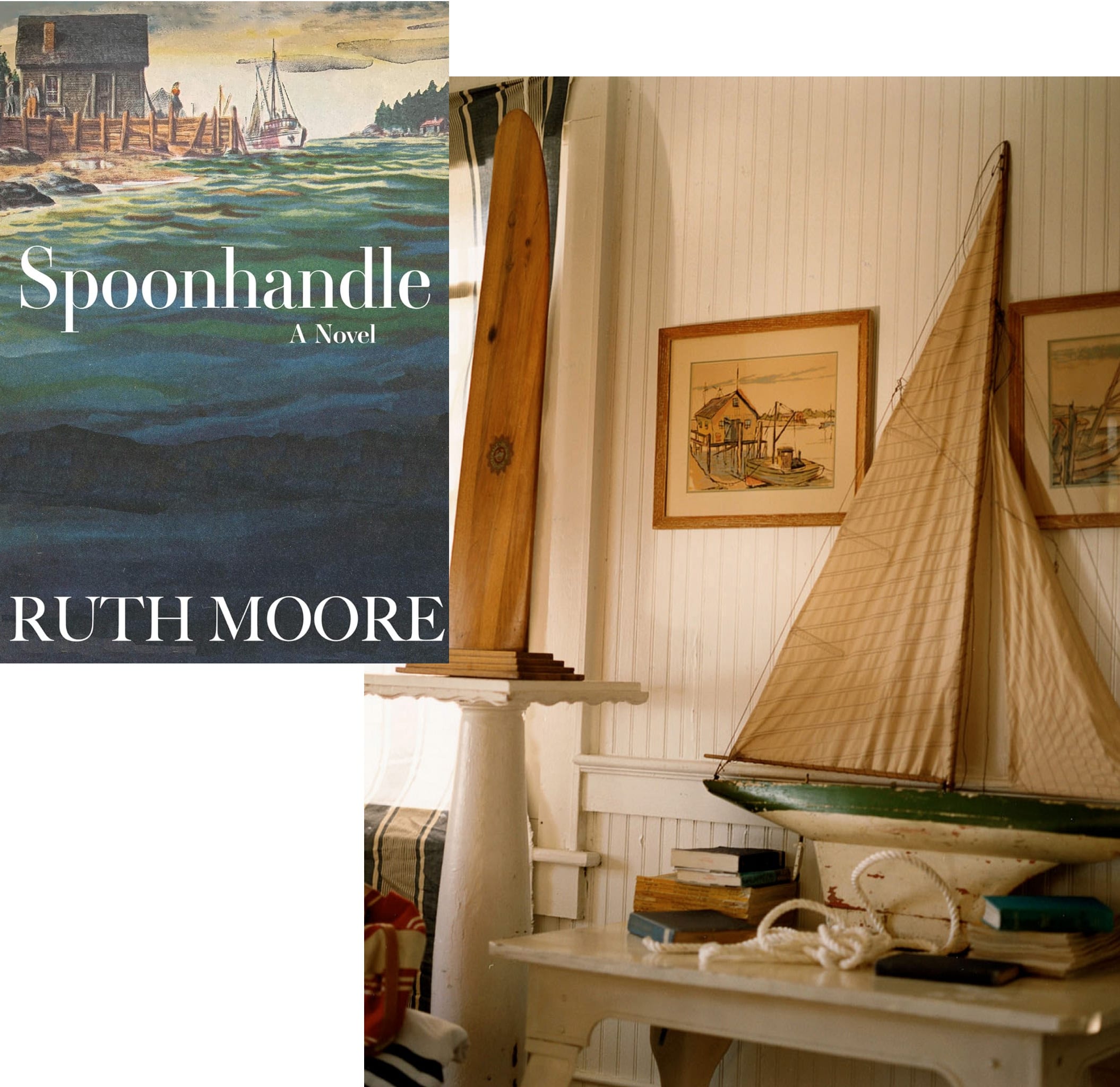
Spoonhandle
Ruth Moore, lauded as “New England’s only answer to Faulkner,” dedicated this 1946 novel “to any American town.” And yet, the hardscrabble fishing village of Spoonhandle is as singular a place as they come. In this rugged coastal Maine community, salt of the earth loggers and fishermen ply their trades to longtime neighbors. But modernity has come to Spoonhandle: Wealthy mainlanders “from away” descend during the summer of 1936, desperate to buy up land that local families have held for generations. While some Spoonhandlers refuse to sell, fearful of losing their way of life, others welcome the influx of cash. Nearly a century later, the novel’s animating question still looms large—how do we live alongside those who look or live differently than us? Herein lies the dedication’s wisdom. Any town could be like this; all towns are like this.
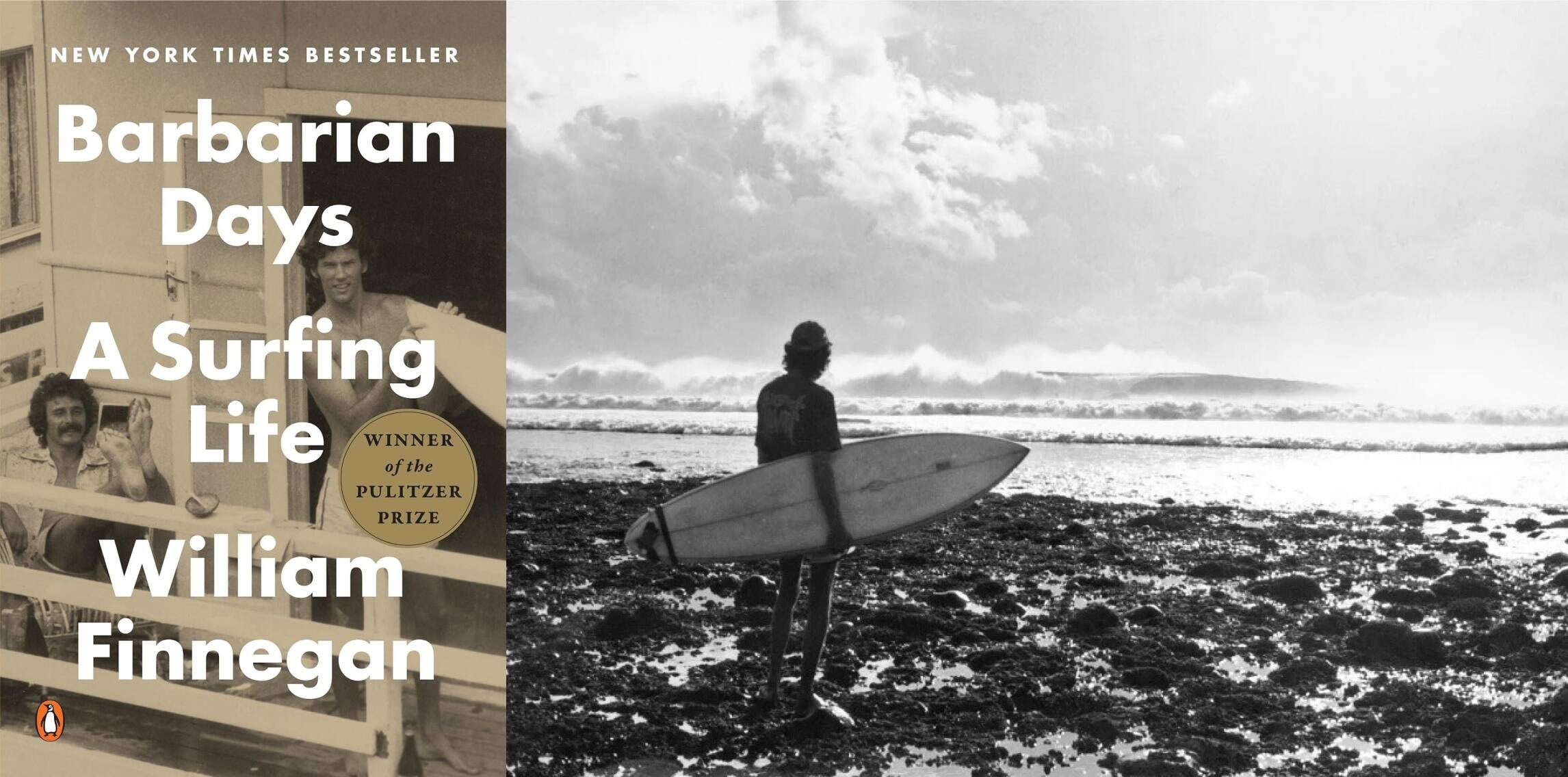
Barbarian Days: A
Surfing Life
Out on “The End,” surfing is a way of life. But for war reporter William Finnegan, it’s more like a religion—“a consuming, physically exhausting, joy-drenched reason to live.” In this Pulitzer Prize–winning memoir, Finnegan chronicles a lifetime spent chasing the perfect wave, from his childhood in Hawaii to his far-flung travels around the world (including the surfer’s paradise of Montauk). Wherever he goes, Finnegan finds a story—not just about the surf shack regulars, but the politics of place, from communist upheaval in Indonesia to civil war in El Salvador. Told in wonderstruck prose (no one has ever described a wave more vividly), Barbarian Days evokes the thrilling danger and astounding beauty of the surfer’s life.
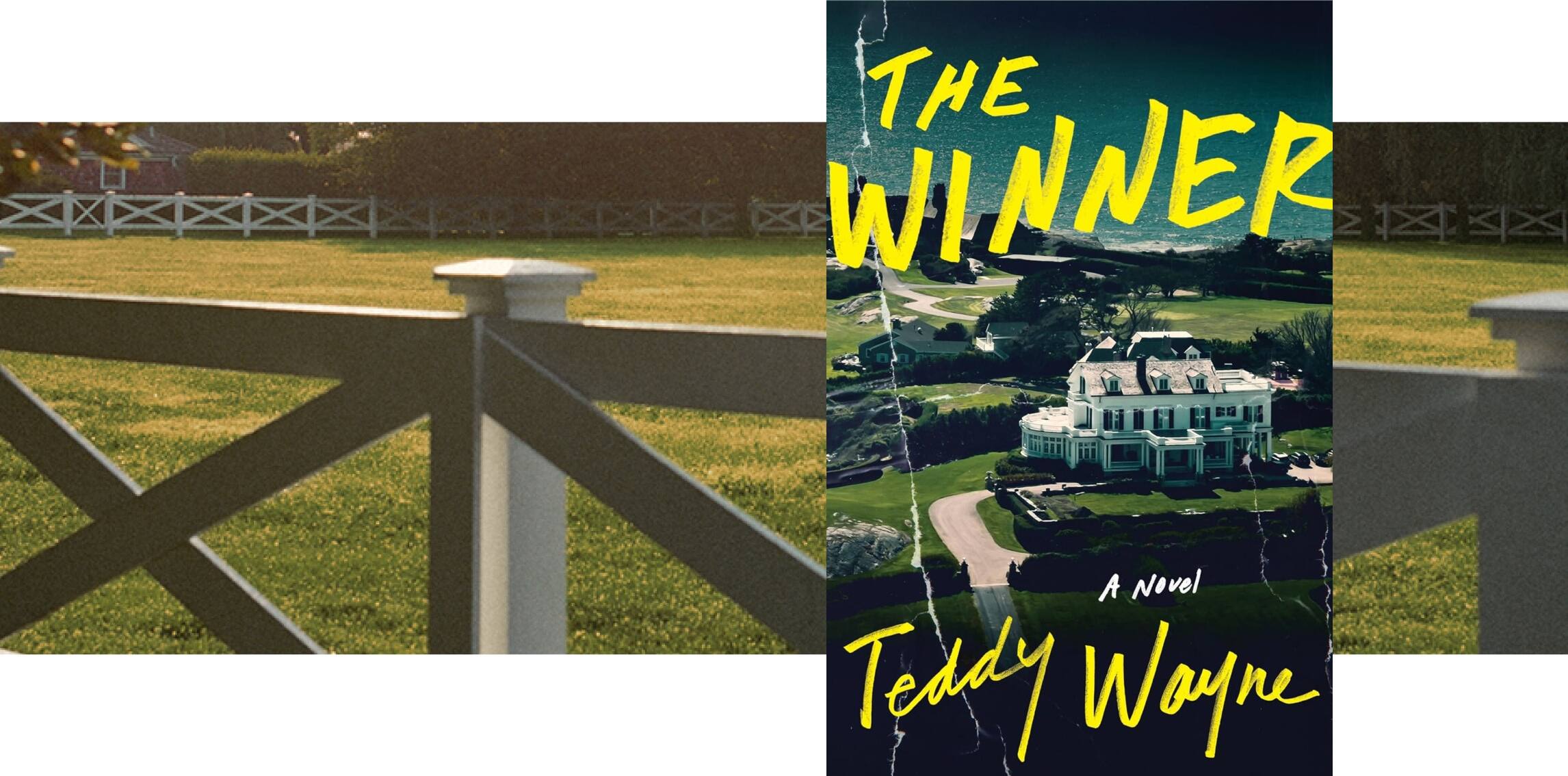
The Winner
This lusty novel of money, sex, and power opens when newly minted law school graduate Conor O’Toole arrives on Cutter’s Neck, a fictional gated community near Cape Cod. The perfect summer awaits: By day, Conor will teach private tennis lessons in exchange for free lodging, and by night, he’ll study for the bar exam. But working-class Conor has crippling student loans to repay, and soon enough, he’s torn between the aspirational lifestyles offered by two very different paramours: Catherine, an older divorcée paying a high premium for his services on (and off) the court, and Emily, a daughter of privilege summering on the Neck. Upward mobility is within Conor’s questing grasp—until a horrifying mistake threatens to punish him for his trespasses among the elite. In this palm-sweating erotic thriller with shades of John Updike and Philip Roth, Teddy Wayne skewers what it takes to be a winner—and what it inevitably costs.
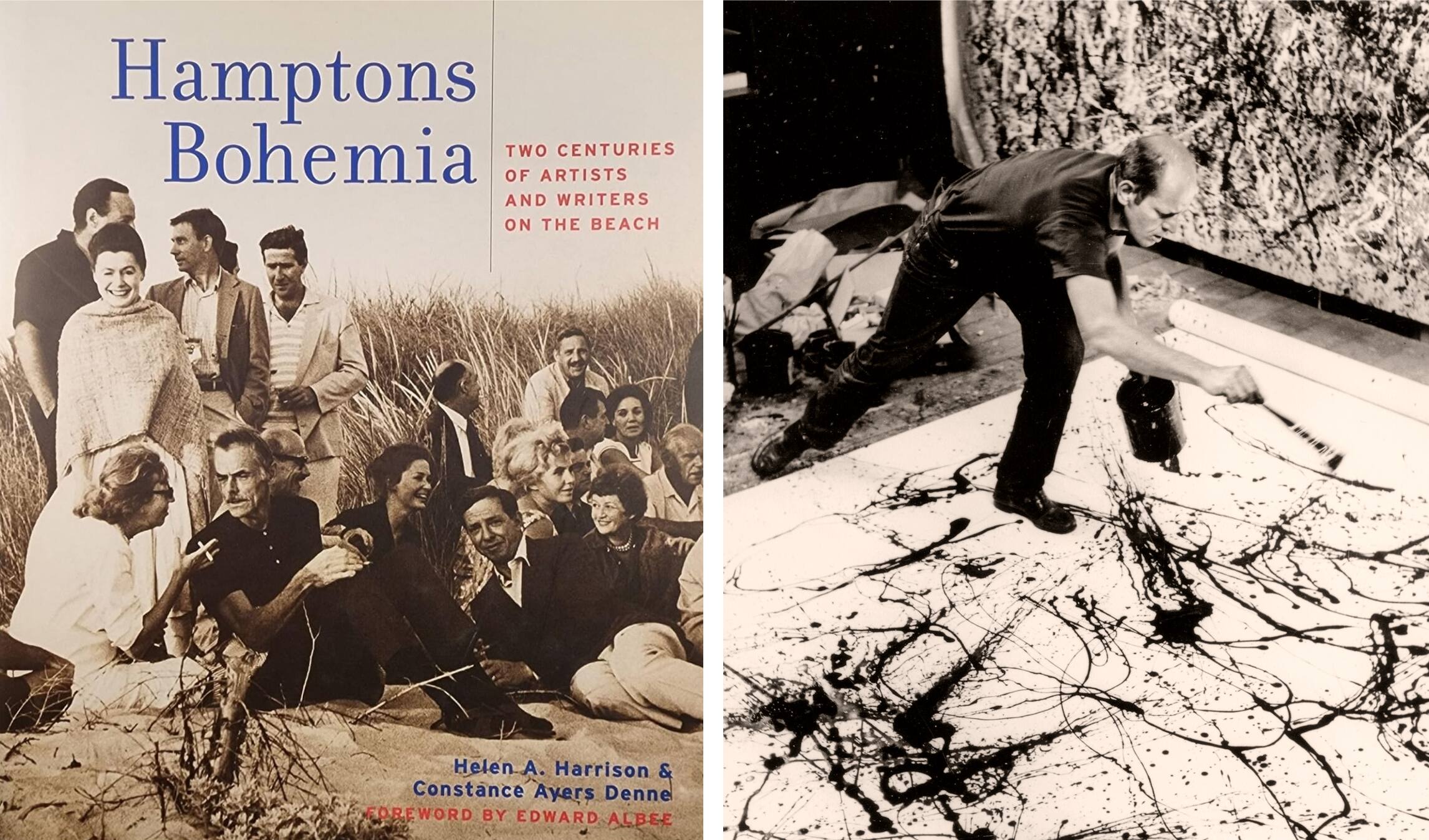
Hamptons Bohemia
Before the Hamptons was a storied vacation destination, it was just a place to live—and write, and paint. In this sumptuous coffee-table book, the authors chart two centuries of “artistic and literary activity” in what would become “America’s premier art mecca.” Though the book does an admirable job charting the shifting tides of artistic culture, it shines brightest in its depiction of the post–World War II exodus to the Hamptons, when the arrival of Jackson Pollock and John Steinbeck later galvanized other creative types to migrate eastward, including Andy Warhol, E.L. Doctorow, and Roy Lichtenstein. Packed with intimate photographs pulled straight from someone’s attic, Hamptons Bohemia offers an insider-y view of a legendary coterie whose legacy still very much remains.

Adrienne Westenfeld, a former Books and Fiction Editor at Esquire, is a writer and editor living in Brooklyn.