The authentic and timeless world of Ralph Lauren
April 2025
RL/People

RL Q&A:Zara Beard

The daughter of famed photographer Peter Beard continues a wild family legacy
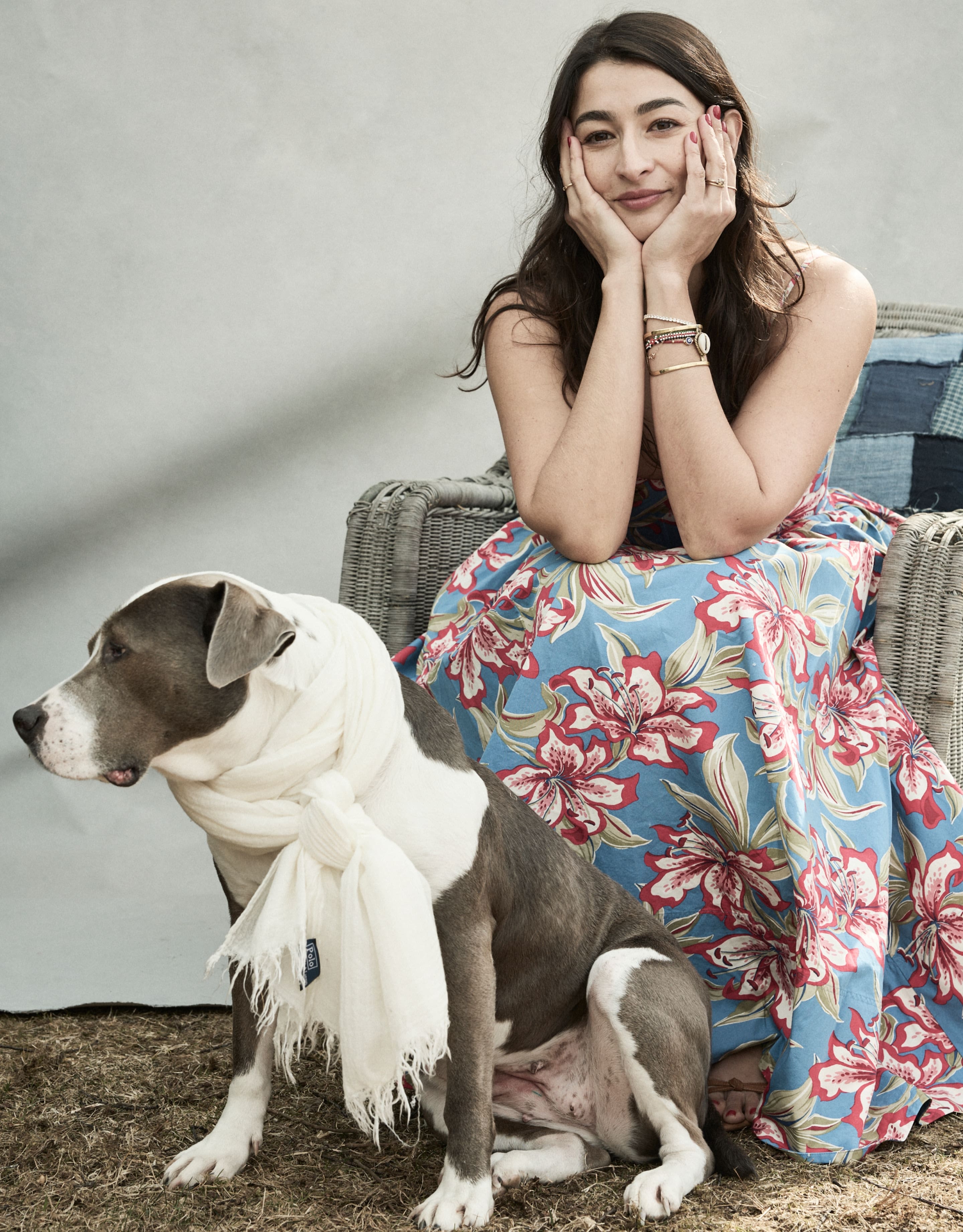
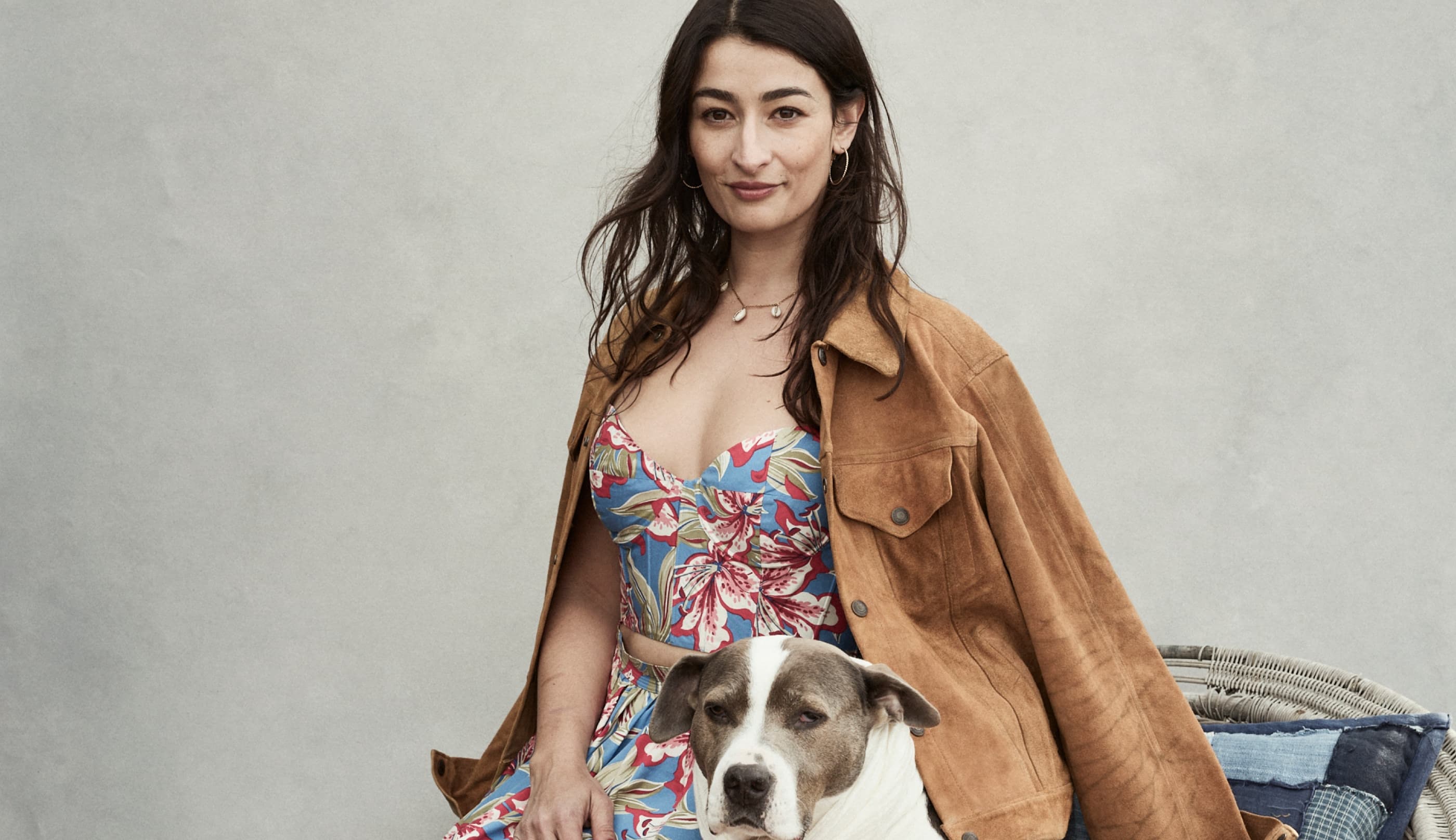
Her family name precedes her, as does the lore of her father Peter Beard, the photographer and international playboy who called Montauk home when he wasn’t documenting the wilds of Kenya and exploring the world in all his myriad ways. But for all of the buzz around her father’s life, Zara Beard’s childhood memories reveal a more private sense of nature, adventure, and wonder—ideals that also define the halcyon days of the easternmost beach town where she spent her summers. Now living in East Hampton with her husband and young daughter, Beard continues her father’s legacy through EchoWild, a wildlife rescue organization that she launched earlier this year. The nonprofit focuses on local initiatives and projects throughout the area, such as wildlife tunnels in East Hampton, community rain gardens, and wildlife-safe fishing kits. In her own words, Beard reveals her most cherished memories of life with her father in Montauk. —Shannon Adducci

What are your favorite memories of growing up in Montauk?

Montauk wasn’t just a place—it was a pulse, a wild and uncontainable rhythm of wind, salt, and sea. Our home perched on the edge of it all, balanced between land and sky, the ocean stretching out like forever. I spent every moment I could there—summers, weekends, stolen days whenever escape was possible. The city was structure, but Montauk was freedom. I remember that first deep breath stepping out of the car, the unmistakable scent of salt and grass, the electricity in the air before a storm. Long days of sun-bleached adventure, longer nights with the sound of waves rolling endlessly into the cliffs below. We were feral, barefoot, moving with the tides, with the changing light. Montauk was alive, and if you let it, it could teach you how to be alive too.

What do you remember of spending time with your father there?
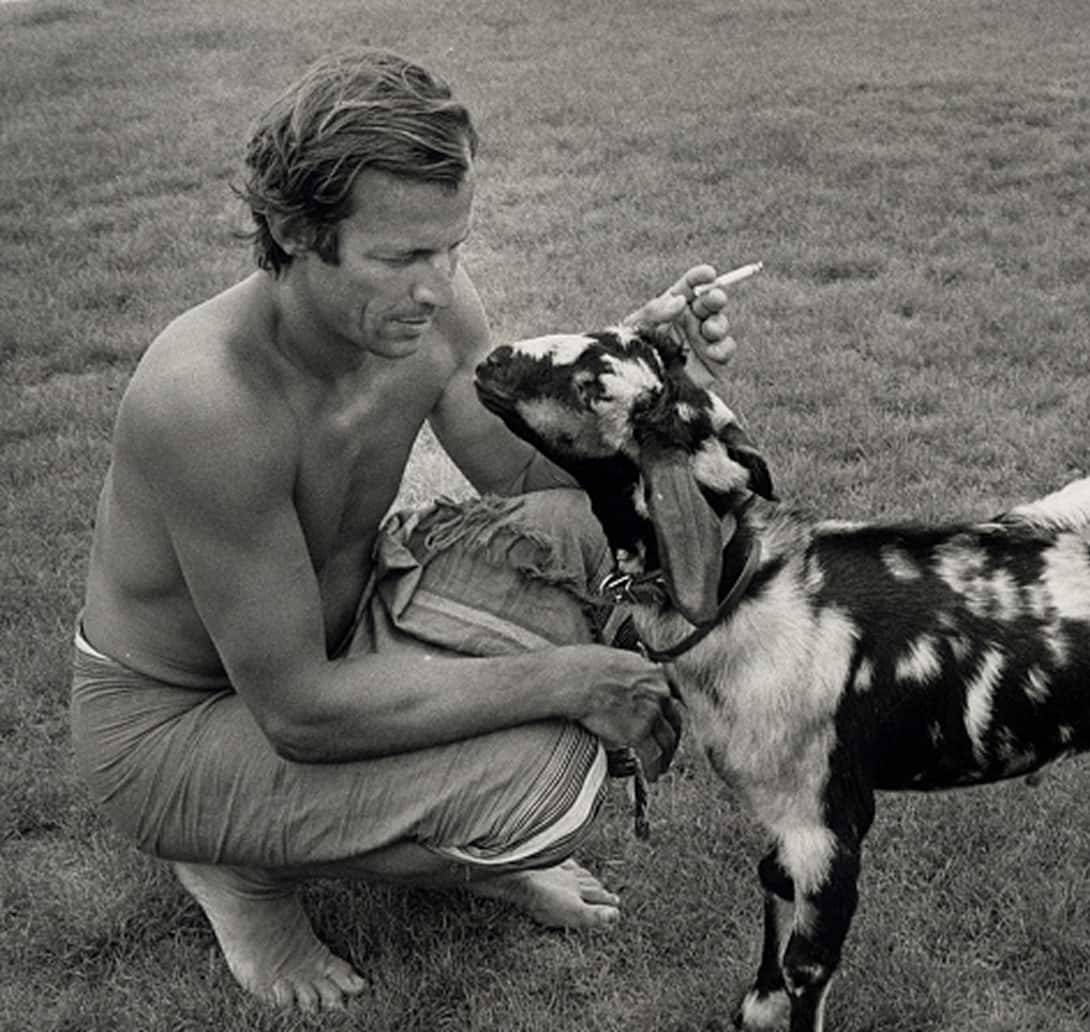
My father had a way of turning the simplest things into adventures. We’d spend hours on the beach, collecting driftwood, tangled fishing nets, and stones shaped by the tide. He saw beauty in the overlooked, in things shaped by time and the elements. When I was little, we found rocks that looked like little pieces of sushi, and he helped me start my first business—Zara’s Sushi Bar. He took it seriously, as if it were a real restaurant, making me business cards and encouraging our guests to play along as I served them trays of rock “sushi”. He made everything feel bigger than it was, more magical, more alive. It wasn’t about the rocks—it was about seeing the world differently, about making something out of nothing, about believing that even a child’s idea was worth celebrating. Sitting on the cliffs, watching the swallows dart from their nests, he’d talk about how everything in nature had a rhythm, a purpose. He never saw the wild as something separate—it was something we belonged to. That way of seeing has never left me.
WILD ONE
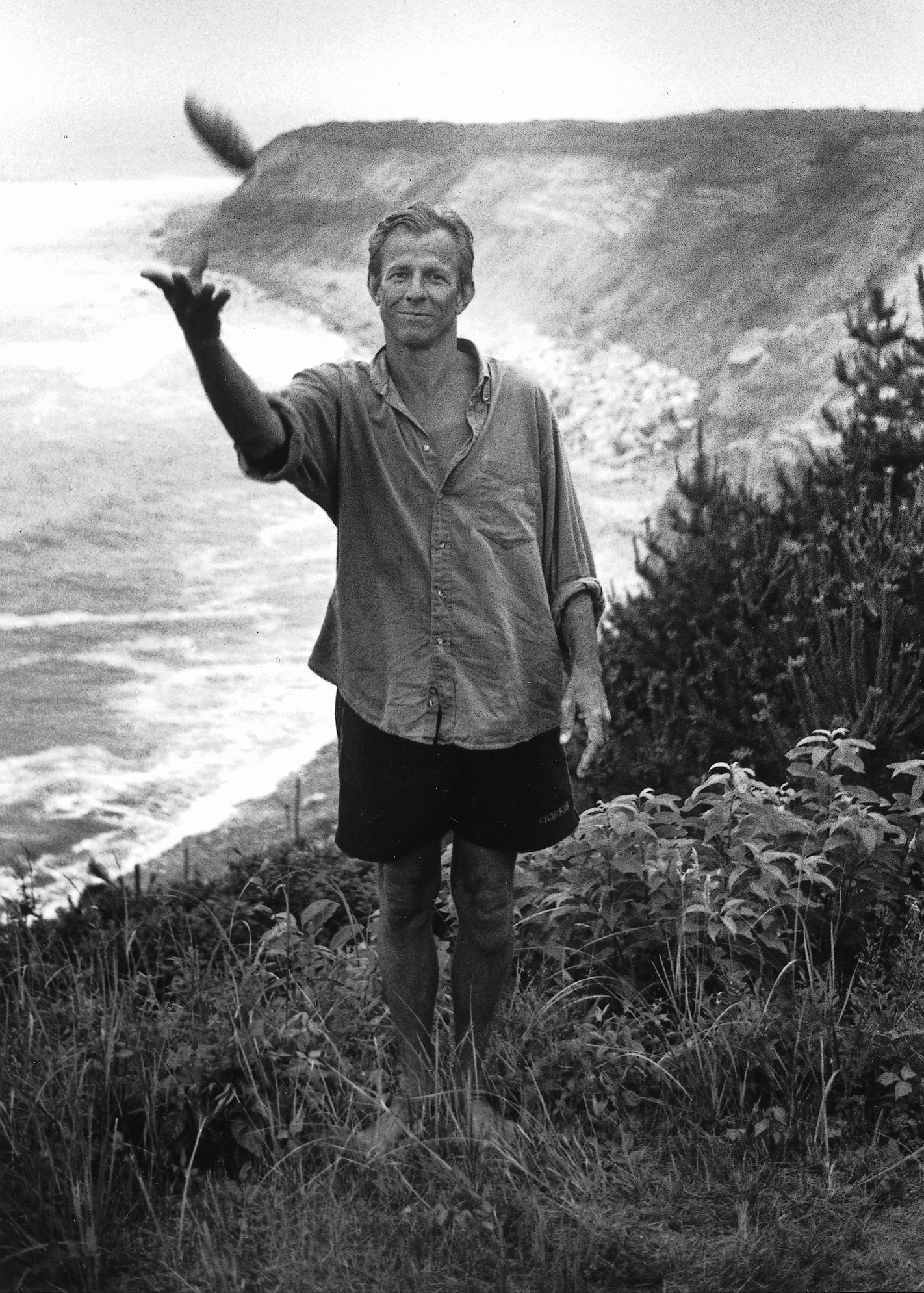
Peter Beard near his home in Montauk, a six-acre property he purchased in 1972.
“My father had a way of turning the simplest things into adventures. He saw beauty in the overlooked, in things shaped by time and the elements.”
The area has changed so much over the decades. What do you miss about the version of Montauk you had growing up? What still remains?

I miss the rawness of it. Montauk wasn’t curated then, wasn’t designed to be anything for anyone. It just existed—untamed, windbeaten, shaped by the tides. It was a place of fishermen, artists, people drawn to the edges of things. The cliffs were crumbling even then, the ocean always winning, but there was a solitude to it, a sense that you could disappear into the land and the sea and be claimed by neither. It’s different now, more controlled, more occupied. But if you know where to look, Montauk is still there. The ocean hasn’t changed. The cliffs still hold their ground for now. And if you go early enough, before the world wakes up, you can still hear it—the hum of something vast and indifferent, something that doesn’t need us but deserves to be protected all the same.

You have remained in the area, correct? Where do you spend time now, and how is it different or the same from your time in Montauk?

I miss the rawness of it. Montauk wasn’t curated then, wasn’t designed to be anything for anyone. It just existed—untamed, windbeaten, shaped by the tides. It was a place of fishermen, artists, people drawn to the edges of things. The cliffs were crumbling even then, the ocean always winning, but there was a solitude to it, a sense that you could disappear into the land and the sea and be claimed by neither. It’s different now, more controlled, more occupied. But if you know where to look, Montauk is still there. The ocean hasn’t changed. The cliffs still hold their ground for now. And if you go early enough, before the world wakes up, you can still hear it—the hum of something vast and indifferent, something that doesn’t need us but deserves to be protected all the same.

What led you to create EchoWild?

EchoWild is, at its core, an extension of everything my father taught me. He gave me the kind of education you can’t find in books—how to see, how to pay attention, how to understand that the natural world isn’t something separate from us. He believed that beauty wasn’t just in what you could see but in what you chose to preserve. EchoWild is my way of making sure that lesson doesn’t get lost. We work to protect the landscapes and wildlife of the East End—rescuing injured animals, restoring habitats, rewilding spaces that have been stripped bare. We’re building a wildlife hospital, planting rain gardens to filter the waters, creating corridors for native species to return. Every piece of land saved, every creature given another chance, is a way of keeping that wildness alive. Montauk shaped me, and this work is my way of giving back. The cliffs, the beaches, the forests—they were my first teachers. My father saw the magic in them, and he made sure I saw it too. Now it’s my turn to make sure that magic doesn’t disappear.

SHANNON ADDUCCI is a writer and fashion editor based in New York. Her work has appeared in Elle, GQ, Departures, Robb Report, WWD, and T: The New York Times Style Magazine.